

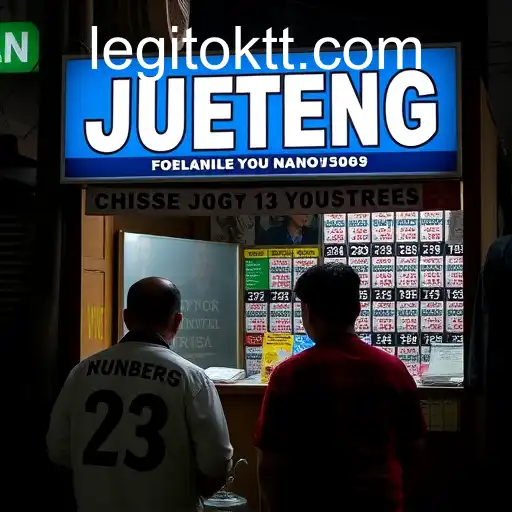

Jueteng is a well-known numbers game that has taken deep roots in Filipino culture, often associated with gambling. The operation of Jueteng is an illicit affair, yet it thrives under the radar and plays a significant role in the lives of many Filipinos. Its continued existence raises important questions about the socio-economic landscape of the Philippines and the powerful influence of underground economies.
Jueteng is played with numbers, typically ranging from 1 to 37. Participants place bets on a combination of two numbers, with the winning numbers drawn at random. The simplicity of the game makes it accessible to a wide range of individuals, from small-town residents to urban dwellers.
What attracts many to Jueteng is the prospect of winning substantial amounts of money through modest bets. However, the allure of quick cash does not fully capture the intricate network and clandestine operations that keep Jueteng alive. The role of 'kubradors' or bet collectors is crucial to the game, as they gather bets from players and later distribute winnings, all while maintaining a veil of secrecy to evade law enforcement.
Jueteng's origins can be traced back several centuries to when it was introduced to the Philippines during the Spanish colonial era. Since then, it has evolved into a deeply entrenched part of Filipino society. Despite numerous efforts by authorities to eliminate it from the socio-economic landscape, Jueteng has shown remarkable resilience, largely due to cultural acceptance and the lack of sufficient government regulation of gambling activities.
This numbers game reflects a broader sentiment of disenchantment with government lottery programs and legalized forms of gambling, which are often perceived as less flexible and offering lower immediate returns.
The existence of Jueteng presents a dual-edged dilemma. On one hand, it provides financial opportunities for individuals in economically marginalized communities where employment options are limited. It's not uncommon for families to rely on Jueteng proceeds for basic necessities. On the other hand, Jueteng is often linked with corruption and bribery, reaching the upper echelons of government and law enforcement agencies.
The widespread participation in Jueteng can exacerbate poverty, leading individuals to develop habitual gambling patterns that deplete personal financial resources over time. It creates a cycle where quick gains are often quickly spent on further gambling, making it difficult for players to escape their financial struggles.
The political dimension of Jueteng cannot be ignored. Historically, numerous political figures and their affiliates have been implicated in Jueteng operations either through direct involvement or acceptance of 'protection money' to overlook illicit activities. This has fueled public distrust and skepticism towards political institutions, painting a picture of corruption and governance failure.
Efforts to regulate or eliminate Jueteng have often been hampered by the very individuals tasked with enforcing the law. This creates a paradox where combating Jueteng requires clean and transparent governance, yet existing corruption within systems allows Jueteng to persist.
To understand why Jueteng remains prevalent, one must consider its cultural significance. For many Filipinos, Jueteng is more than just a gamble; it's a social activity that fosters community interaction and bonds. This communal aspect can make it difficult to eradicate, as Jueteng is seen not only as a source of potential profit but as a traditional pastime shared among friends and family.
Public perception of Jueteng varies greatly. While some view it as a blight on society, others perceive it as a 'necessary evil,' providing tangible benefits in areas where formal avenues offer little hope. The cultural acceptance of Jueteng underscores the complexity of addressing its presence in Filipino life.
There have been many initiatives aimed at curtailing the influence of Jueteng. These include public awareness campaigns and legislative attempts to increase penalties for those involved in Jueteng operations. However, genuine reform requires addressing the underlying economic issues that drive individuals towards Jueteng as a means of livelihood.
Solutions such as offering alternative economic opportunities, improving education on financial literacy, and reforming existing legal gambling frameworks are necessary steps in diminishing Jueteng's appeal. At the same time, the political will to dismantle the corrupt networks supporting Jueteng must be strengthened.
Jueteng remains a complex puzzle intertwined with the socio-economic fabric of the Philippines. Addressing it requires multi-faceted solutions that consider cultural significance, socio-economic needs, and the call for political integrity and transparency. While the path is fraught with challenges, recognizing Jueteng's impact on Filipino society is crucial in crafting meaningful interventions that promote sustainable growth and social equity.

Explore the exhilarating world of IceMania, a captivating game melding winter sports excitement with strategic challenges.

Explore the innovative 3CoinGoldenOX game with its engaging rules and strategies, all while connecting current events to create an immersive gaming adventure.

Delve into the captivating world of OldWest with its intriguing gameplay and rules, and discover how this immersive experience integrates current events into its narrative.

Discover the world of MadHitSupernova, an innovative game capturing the essence of strategic gameplay with a twist. Explore its introduction, rules, and how current events are influencing its evolution.

Dive into the prehistoric world of Jurassic Kingdom, a captivating game that combines strategic gameplay with the allure of dinosaurs. Discover the rules, dynamics, and current influence of Jurassic Kingdom.

Discover the captivating world of FloatingMarket, a dynamic game that combines strategy and immersive storytelling. Learn about its unique features and rules that promise endless fun.
